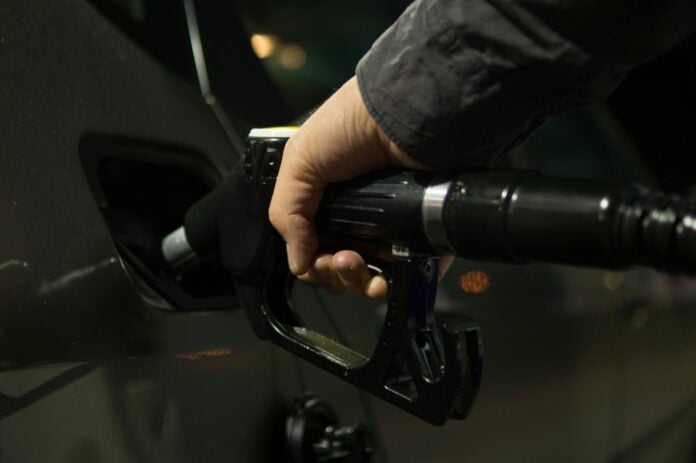
Drivers across Philadelphia are seeing prices climb at the pump as global oil markets react to the escalating war involving Iran, the United States and Israel.
Gasoline prices have risen quite quickly in Pennsylvania in recent days. AAA data shows the statewide average reached about $3.59 per gallon in early March, roughly 46 cents higher than a week earlier, as crude oil markets surged following the outbreak of fighting in the Middle East.
Earlier in March, the average price in Philadelphia was around $3.22 per gallon, about 20 cents higher than the week before.
Behind the spike is a sudden shift in global oil markets. Energy traders began bidding up crude prices after attacks on ships and energy infrastructure across the Persian Gulf raised concerns that the conflict could interrupt global oil supplies.
Much of that concern centers on the Strait of Hormuz, a narrow shipping corridor between Iran and Oman that connects the Persian Gulf to international markets. Roughly 20 percent of the world’s oil supply normally passes through the strait, making it one of the most critical chokepoints in global energy trade.
The conflict has already disrupted shipping in the region. Attacks on vessels and threats to tanker traffic have rattled energy markets and pushed crude prices sharply higher. At one point during the escalation, oil surged close to $120 per barrel before pulling back as markets reacted to shifting developments in the conflict.
Even smaller disruptions can have an immediate effect on fuel costs. Oil typically accounts for about half of the price of a gallon of gasoline, meaning spikes in crude prices often reach gas stations within days as wholesalers and distributors adjust prices.
Across the United States, gas prices have been climbing alongside oil. The national average rose quickly in the first days of the conflict as global energy markets priced in the risk that supply could tighten if the war expands.
Analysts say the direction of gas prices now depends largely on how long the conflict continues and whether shipping through the Persian Gulf stabilizes. If disruptions persist, oil markets — and the price drivers pay at the pump — could remain volatile in the weeks ahead.