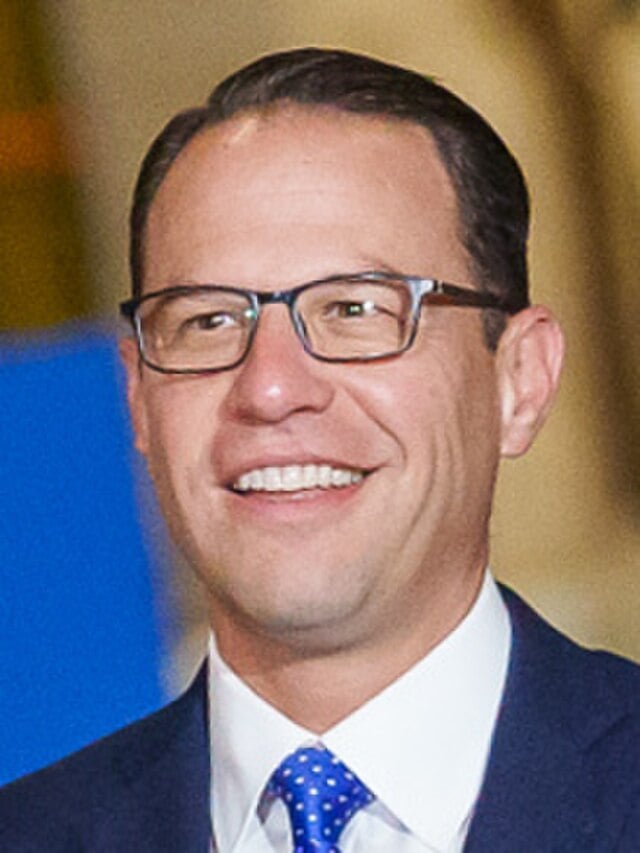
Gov. Josh Shapiro on Tuesday proposed a $53.2 billion state budget, calling for a $15 minimum wage and a 6.2% increase in spending. The proposal depends on marijuana legalization and other new revenue sources that have repeatedly stalled in the legislature.
The Democratic governor’s fourth budget address drew standing ovations from fellow Democrats in the state House and Senate chambers in Harrisburg, but Republicans immediately criticized the proposal as fiscally irresponsible. The budget would spend $4.6 billion more than the state is projected to collect in revenue, requiring officials to tap Pennsylvania’s $7.7 billion Rainy Day Fund or find money from sources like recreational marijuana taxes that don’t yet exist.
Shapiro’s proposal represents a $2.7 billion total increase over the current 2025-26 budget. About $1 billion would cover increased federal Medicaid obligations, another $1 billion would fund new initiatives, and $700 million would go to other funding increases, according to a Shapiro administration official.
The budget calls for an additional $565 million for public schools through the state’s new adequacy funding and tax equity formulas, part of a nine-year plan to ensure students receive equitable education regardless of their zip code. State-related universities, including the University of Pittsburgh, Penn State, and Temple University, would receive an additional $30 million awarded through a new performance-based funding mechanism.
Shapiro also proposed creating a “Federal Response Fund” with $100 million set aside.
To help bridge the budget gap, Shapiro is banking on nearly $2 billion in new revenue from sources that have consistently stalled in the legislature. He proposed a 20% tax on recreational marijuana sales to generate $729.4 million and a 52% tax on so-called skill games to bring in an estimated $765.9 million in the first year.
“Everyone knows we need to get this done. So let’s come together and finally get it over the finish line,” Shapiro said during his address.
The marijuana legalization proposal marks Shapiro’s fourth attempt at the initiative, building on earlier budget proposals that failed to win legislative approval. Last year, he pitched the same 20% tax rate but projected it would generate only $535.6 million in the first year. This year’s projection of $729.4 million represents a 36% increase without changing the proposed tax rate. A Shapiro administration official said the higher projection reflects increased interest from marijuana companies wanting to do business in Pennsylvania.
Senate Republicans, who control the chamber and have promised fiscal restraint as their top priority, quickly denounced the budget proposal as unaffordable. They argued the steep spending increase is unrealistic when the state is already projected to spend more than it collects in the current fiscal year and beyond.
The proposal avoids any broad tax increases on state residents, instead relying on the contested revenue streams and the state’s substantial reserve fund. Pennsylvania’s $7.7 billion Rainy Day Fund provides a cushion, but sustained deficit spending could drain those reserves over time.
The governor highlighted housing affordability as a key focus, noting that Pennsylvania needs “hundreds of thousands of new homes.” The budget includes what Shapiro described as “a major investment in building new housing,” though specific funding amounts haven’t yet been announced.
The proposal now moves to budget negotiations between the Republican-controlled Senate and the Democratic-majority House, where deep disagreements over spending and revenue are expected to dominate talks. Lawmakers have until June 30 to approve a budget for the fiscal year beginning July 1. That said, negotiations last year stretched months past the deadline.
For the Philadelphia region, Shapiro’s plan includes $30 million in new performance-based funding for state-related universities, including Temple University, and a $1 billion bond-funded initiative aimed largely at housing construction. He has also renewed his push to raise Pennsylvania’s minimum wage to $15 an hour.
Republican leaders quickly pushed back on the scope of the spending.
“We’re going to do everything we can to protect the taxpayer and make sure that the dollars that are allocated are wisely used,” Senate Majority Leader Joe Pittman (R., Indiana) said. “We have to make sure we’re stretching every taxpayer dollar we can and bringing the cost of government down as much as possible.”