Because it develops slowly, colorectal cancer can often be prevented or successfully treated when detected early. Polyps are a precursor of disease and often take years to develop into cancerous lesions — sometimes as long as 10 years. But that shouldn’t deter anyone with a family history, who is experiencing symptoms at any age or who is 45 (or older) from getting a colonoscopy.
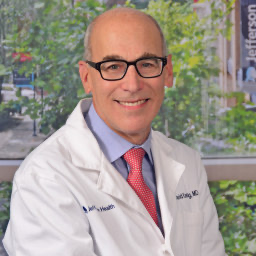
Dr. David Kastenberg, chief of the Division of Gastroenterology and Hepatology at Thomas Jefferson University Hospital, notes that the procedure effectively stops disease before it starts.
“Early polyps can take several forms — flat, depressed or a grapelike cluster,” Kastenberg said. “All are typically visible on a colonoscopy and are removed right then and there, with no pain or discomfort to the patient.”
In fact, the worst part of the test is the preparation, and even that process has evolved and become much more tolerable.
“You’ll need to take laxatives and eat a special diet leading up to the procedure, with clear liquids the day before,” Kastenberg says, “but it’s a small price to pay to potentially prevent a cancer diagnosis later on down the road.”
Here are three lifestyle habits that can help reduce your risk of colorectal cancer:
- • Be physically active. Sitting for long periods of time may increase colorectal cancer risk. Get up and move around once an hour, and aim for at least 150 minutes of moderate intensity exercise a week.
- • Eat foods lower in saturated fats and limit processed and refined foods. Ask your doctor if vitamin supplements can help, and if so, which ones.
- • If you smoke or vape, quit. And if you drink alcohol, do so in moderation. Alcohol and tobacco have been linked to the development of potentially cancerous colon polyps.
Talk with your doctor if you have persistent abdominal pain, weight loss, blood in your stool or a change in bowel habits (constipation or diarrhea). It doesn’t always mean cancer, but it’s important to get evaluated. ••